Washington, D.C. is more than the nation’s political capital. It is the country’s symbolic heart. Its skyline is shaped not by skyscrapers but by tributes to presidents, memorials to fallen soldiers and monuments to civil rights leaders.
With so many landmarks, planning a visit can feel overwhelming. Most of the major ones sit on or near the National Mall, a two-mile stretch of parkland often called America’s front yard.
This guide helps you plan an efficient and meaningful visit to Washington DC’s most important monuments.
Practical Tips Before You Go
A few logistics tips make the day smoother before you set out on foot.
- Best time of day: The monuments are open around the clock. For good photos and thinner crowds, go early in the morning, when sunrise is beautiful, or late in the evening when they are lit up.
- Getting around: The National Mall is bigger than it looks. Walking is the best way to see it all, but expect several miles on foot. The DC Circulator National Mall route is a handy, low-cost way to hop between distant sites, and Capital Bikeshare is popular too.
- Facilities: You will find restrooms and water fountains near most major memorials, including the Lincoln, Jefferson and WWII memorials.
- Cost: Visiting the memorials on the National Mall is free.
The Big Three Presidential Memorials
These three large structures define the capital’s landscape and belong on every itinerary.
1. The Washington Monument
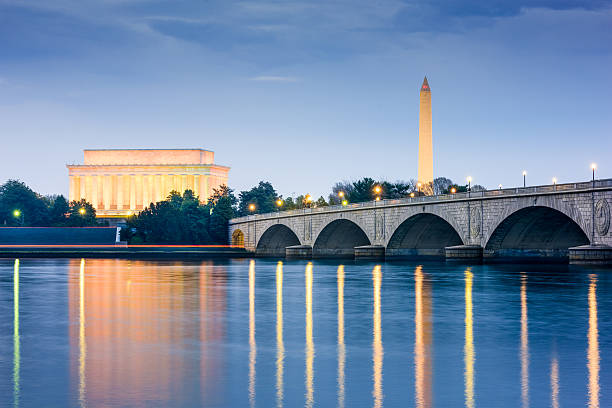
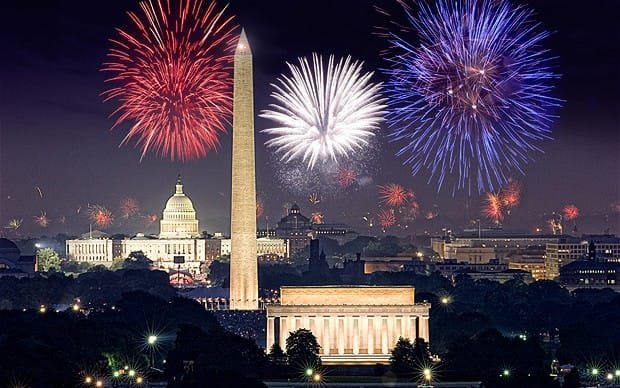
The centerpiece of the National Mall and the feature that defines the DC skyline. This 555-foot marble obelisk honors George Washington, the first U.S. president, and is the tallest freestanding stone structure in the world.
Visitor tip: Admiring it from the ground is a must, but the view from the top is the best in the city. Tickets are required and are released online daily at 10 a.m. They sell out in seconds, so be ready.

2. The Lincoln Memorial
At the western end of the National Mall, the Lincoln Memorial may be the most emotional place in Washington. The Greek revival temple holds a large seated statue of Abraham Lincoln, the 16th president, who held the Union together through the Civil War.
The steps are where Martin Luther King Jr. gave his “I Have a Dream” speech, and the view over the Reflecting Pool to the Washington Monument is classic America. Read the Gettysburg Address and the Second Inaugural Address carved on the chamber walls.

3. The Thomas Jefferson Memorial
Set apart from the Mall’s main axis on the Tidal Basin, this Pantheon-inspired memorial honors the author of the Declaration of Independence.
A 19-foot bronze statue of Jefferson stands inside the open-air rotunda. In spring the memorial is especially beautiful during the National Cherry Blossom Festival, with Japanese cherry trees in bloom around it. It is a bit less crowded than the Lincoln Memorial and offers a calm place to reflect.
War Memorials and Places of Reflection
Most of the solemn tributes to those who served in America’s 20th-century wars lie between the Washington Monument and the Lincoln Memorial.
The Vietnam Veterans Memorial
Often called “The Wall,” it is one of the most moving war memorials anywhere. Maya Lin designed two polished black granite walls sunk into the ground and inscribed with the names of more than 58,000 Americans who died or went missing in the Vietnam War.
The reflective surface lets visitors see themselves as they read the names, linking past and present. It is a quiet place, and visitors often leave flowers, letters or keepsakes at the base of the panels.

The World War II Memorial
This large plaza at the eastern end of the Reflecting Pool honors the 16 million Americans who served in the armed forces during WWII, along with the home front that supported them.
56 granite pillars represent the states and territories of the time, arranged around a large central fountain. Two triumphal arches stand for the Atlantic and Pacific theaters. The Freedom Wall on the west side holds 4,048 gold stars, each for 100 American lives lost.
The Korean War Veterans Memorial
Just southeast of the Lincoln Memorial, this haunting tribute centers on “The Column”: 19 stainless steel soldiers in ponchos and helmets who move warily through a juniper patch that stands for rugged Korean terrain.
A polished granite wall nearby reflects the statues, so there appear to be 38 soldiers, a nod to the 38th parallel. The mural etched into the wall includes more than 2,500 photographic images of support personnel, from nurses to dog handlers.
Civil Rights and Leadership Memorials
The Tidal Basin area also holds two newer, expansive memorials to leaders who shaped modern America.
Martin Luther King, Jr. Memorial
On a four-acre site by the Tidal Basin, this is the first memorial on the National Mall dedicated to an African American. Its centerpiece, the “Stone of Hope,” is a large relief of Dr. King carved from granite and set forward from the “Mountain of Despair” behind it.
The design draws on a line from his “I Have a Dream” speech: “Out of the mountain of despair, a stone of hope.” A crescent-shaped wall around it carries 14 of his best-known quotations on justice, democracy and hope.

Franklin Delano Roosevelt (FDR) Memorial
This sprawling, immersive memorial honors the only president elected four times. Instead of a single structure, it is a sequence of four outdoor “rooms,” one for each term, linked by paths, walls of red South Dakota granite and waterfalls.
Walking through, you follow the timeline of his presidency from the depths of the Great Depression to the challenges of World War II. Bronze sculptures show FDR, First Lady Eleanor Roosevelt and their well-known dog, Fala.
Final Thoughts
Touring the Washington DC monuments is a powerful walk through the American story, with its triumphs, struggles and continuing pursuit of liberty. Whether you love history or are a casual traveler, these stone tributes leave you with a deeper understanding of the United States.